
Corporate News

Technical articles

View customer cases, solutions, technical articles, and company news.

Total 9 articles
Understanding Flexible Nasal Tip Design in Nasal Care Devices
Technical articles

Understanding Flexible Nasal Tip Design in Nasal Care Devices

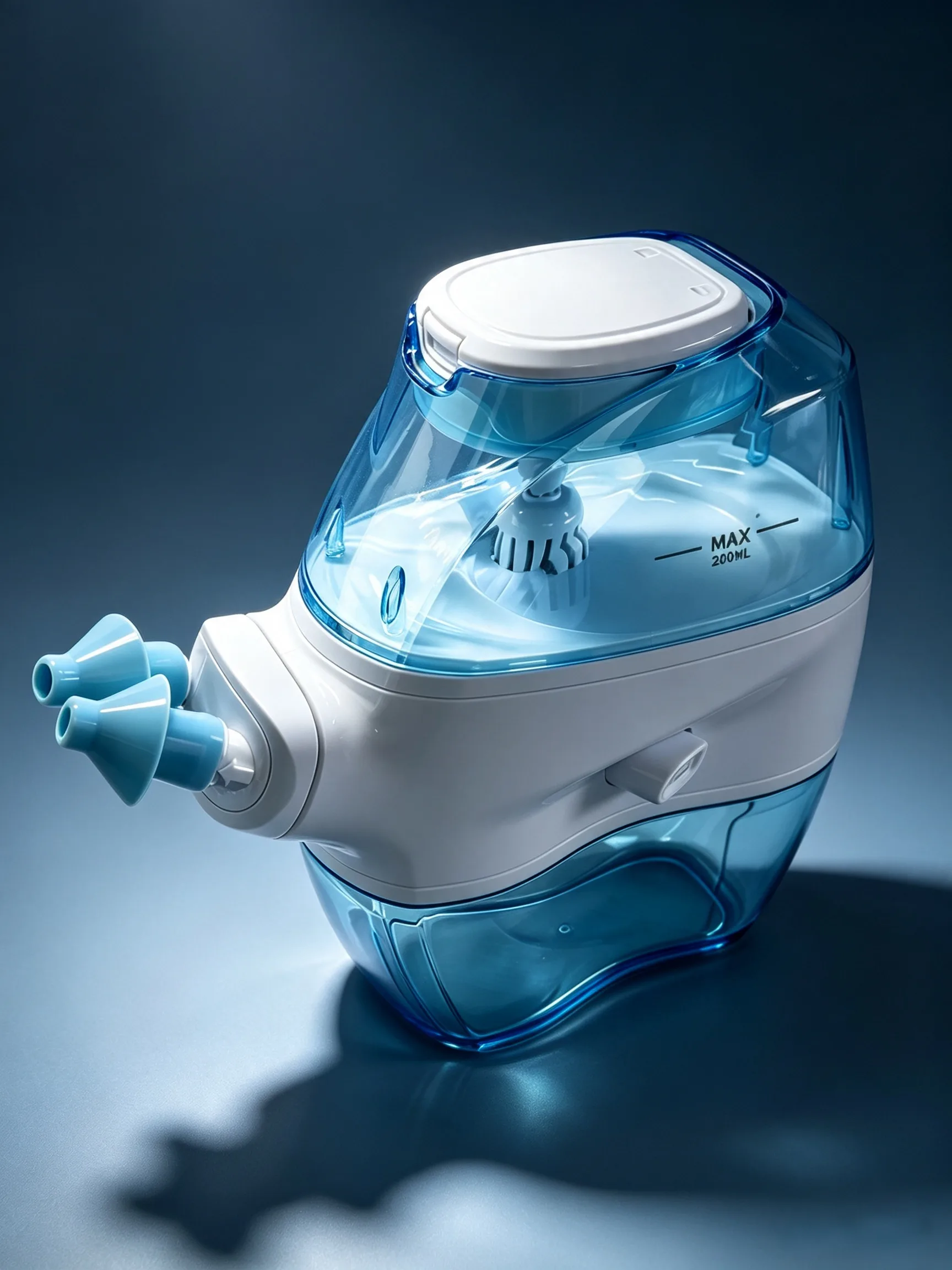
SEO Title: Flexible Nasal Tip Design Explained | DynamicPeers Meta Description: Learn about flexible rubber nasal tips, their structural role in nasal care devices, and the integrated rotating tip assembly of DynamicPeers. Why Nasal Tip Design Matters The nasal tip is one of the most recognizable components of a nasal irrigation device. It forms the interface between the product and the nostril. For this reason, its material, shape, and structural arrangement are important design considerations. Different manufacturers use different tip designs depending on the intended operation of their products. Understanding Flexible Materials Flexible rubber materials can deform under pressure and return toward their original shape. This property makes them useful in many consumer product components. However, flexibility alone does not establish that a nasal tip will be comfortable or suitable for every user. The product's dimensions, design, and operating instructions also matter. The Two Nasal T
Why Do Nasal Camera Images Sometimes Look Blurry?
Technical articles

Why Do Nasal Camera Images Sometimes Look Blurry?

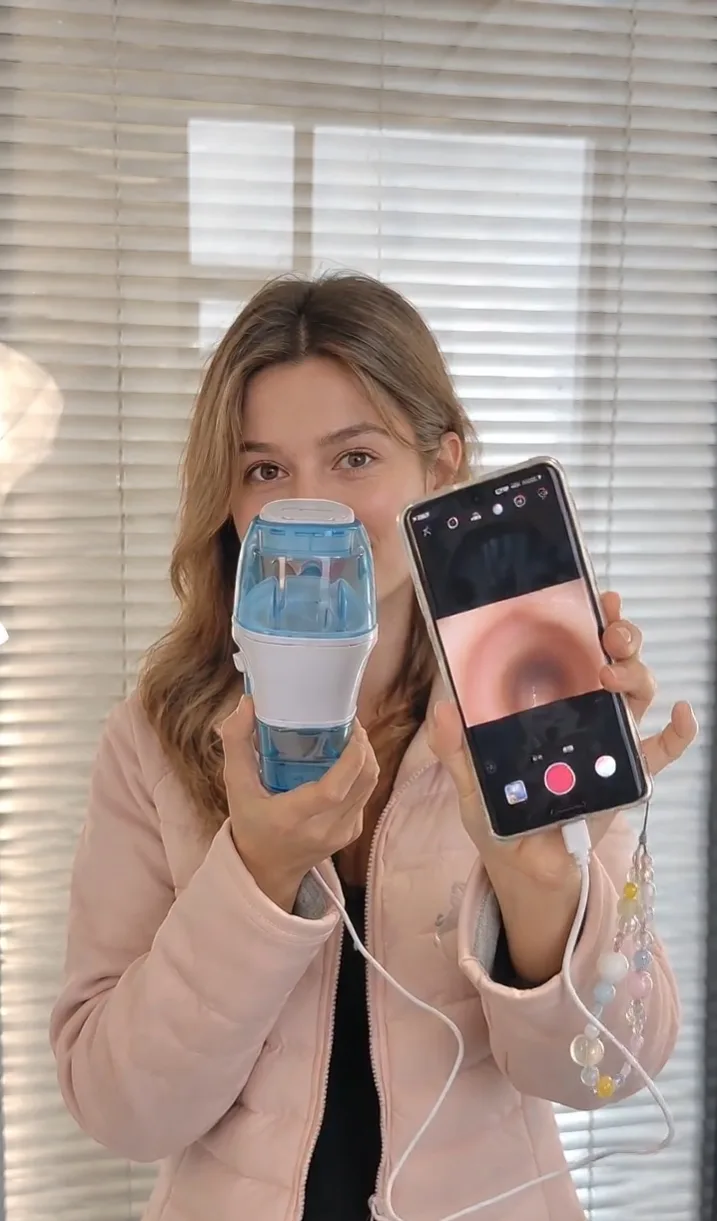
SEO Title: Why Nasal Camera Images Look Blurry | DynamicPeers Meta Description: Discover common factors that influence nasal camera image clarity, including lighting, focus, positioning, and smartphone display conditions. Understanding Miniature Camera Images Miniature cameras are used in many consumer products, from inspection tools to personal care devices. Because these cameras operate in relatively small spaces, the images they capture can be influenced by several factors. A blurry image does not necessarily indicate that the camera is defective. Understanding the possible causes can help consumers interpret what they see. 1. Camera Position and Viewing Distance Every camera has an optical design that affects how objects appear at different distances. If the subject is outside the camera's effective focus range, the image may appear unclear. The angle and position of the camera also influence the visible area. Users should follow the manufacturer's handling instructions rather than

Understanding Fluid Collection in Nasal Irrigation Devices
Technical articles

Understanding Fluid Collection in Nasal Irrigation Devices

SEO Title: Nasal Irrigation Fluid Collection Explained | DynamicPeers Meta Description: Learn how fluid collection systems are arranged in nasal irrigation devices and explore the separate chamber design of DynamicPeers. What Happens to Saline During Nasal Irrigation? When people think about nasal irrigation, they usually focus on how saline enters the nasal cavity. However, another important part of the process is what happens to the liquid afterward. Different nasal irrigation devices manage fluid in different ways. Some rely on an external sink or container, while other designs incorporate a collection chamber into the device. Understanding this difference can help consumers compare nasal irrigation products. Why Fluid Collection Deserves Attention Fluid collection is part of the overall irrigation system. The way a product manages liquid affects its physical structure and the steps required for emptying and maintenance. A collection chamber does not automatically mean that a device

Science Popularization | Scientific Nasal Rinsing Makes Nasal Cleaning Simpler
Technical articles

Science Popularization | Scientific Nasal Rinsing Makes Nasal Cleaning Simpler

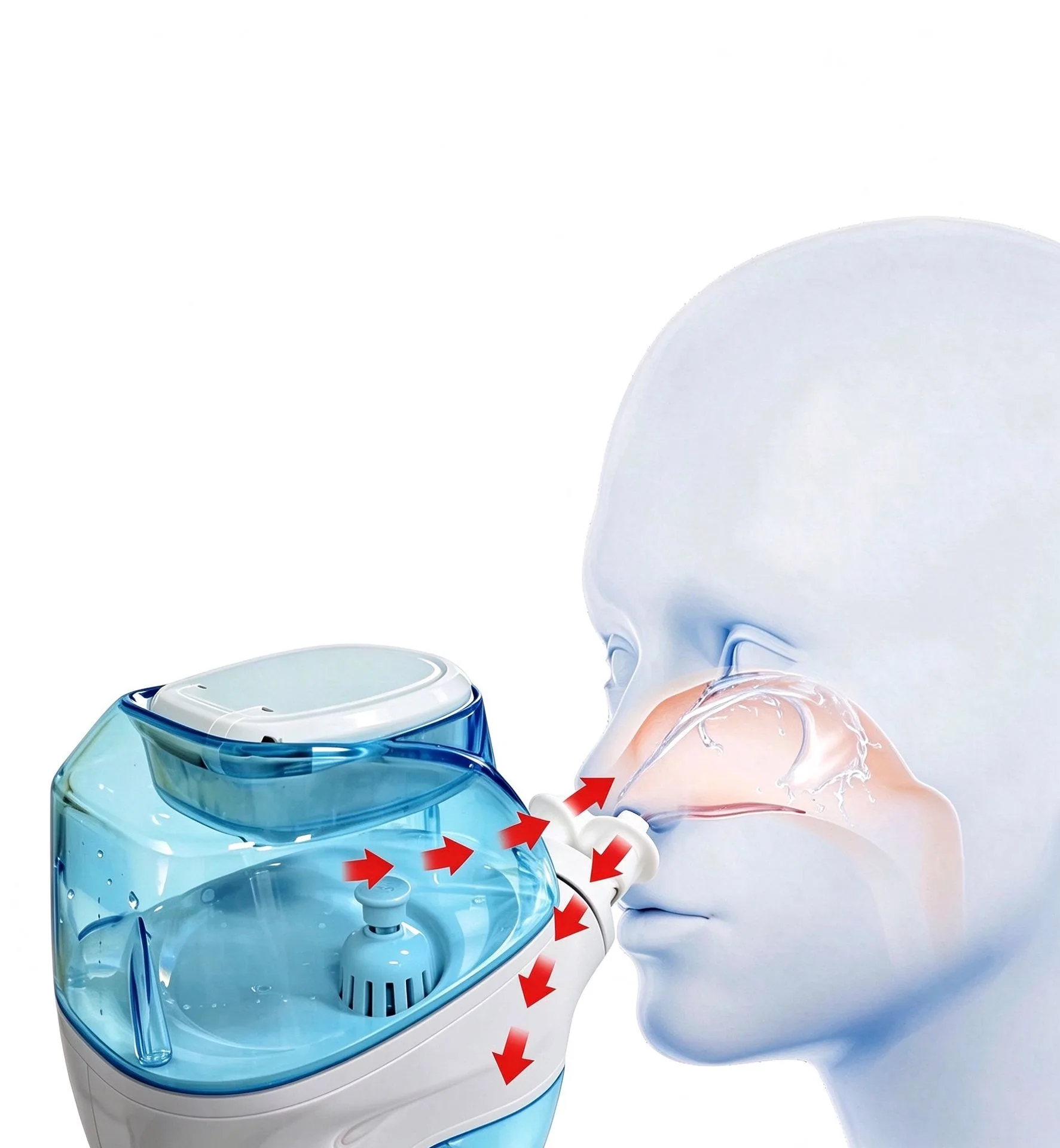
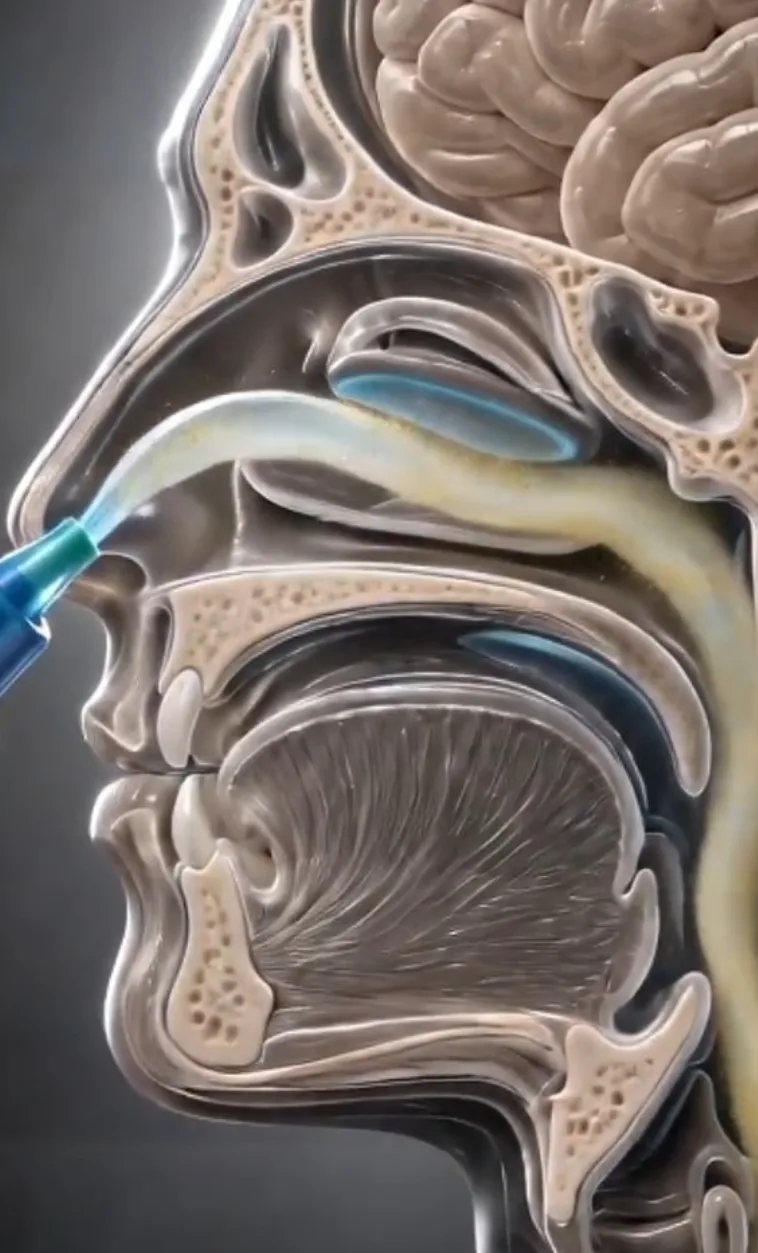
01 Why Pay Attention to Nasal Cleaning? The nasal cavity is an important part of the human respiratory system and the first line of defense for air entering the respiratory tract. Nasal hairs, mucus, and nasal cilia work together to filter, adhere to, and remove dust, particulate matter, and other substances from the air. In daily life, dust, pollen, and other environmental particles in the air may deposit in the nasal cavity. Performing appropriate nasal cleaning helps flush out secretions and some irritants in the nasal cavity, making nasal care more scientific and convenient. 02 What Is the Working Principle of a Nasal Irrigator? A nasal irrigator delivers a suitable rinsing solution into the nasal cavity via a nozzle, and with the help of liquid flow, assists in rinsing out mucus, secretions, and some attached particles in the nasal cavity. Unlike simply wiping the nose, nasal irrigation allows the rinsing solution to contact parts of the interior of the nasal cavity, providing assistance for daily nasal cleaning. 03 What Are the Benefits of Daily Nasal Rinsing? Auxiliary Nasal Cleaning: Helps flush out secretions and some environmental particles in the nasal cavity. Helps Clear Mucus: Assists in clearing excessive or thick nasal secretions. Helps Alleviate Some Nasal Discomfort: Appropriate saline nasal irrigation may help relieve symptoms related to allergic rhinitis. Convenient for Daily Care: Using a suitable nasal irrigation device can make the nasal cleaning process more convenient. 04 How to Use a Nasal Irrigator Scientifically? Step 1: Choose the Appropriate Rinsing Solution Prioritize saline of an appropriate concentration prepared with dedicated nasal wash salt, or ready-to-use rinsing solutions meeting product instructions. Do not directly use untreated tap water to rinse the nasal cavity. Step 2: Adopt a Gentle Rinsing Method Select the appropriate mode and nozzle according to product instructions, stay relaxed, and avoid excessive water pressure causing discomfort. Step 3: Pay Attention to Equipment Cleaning Clean and thoroughly dry washable components after each use according to instructions to prevent residual liquid from breeding microorganisms. Step 4: Pay Attention to Physical Sensations If obvious pain, nosebleeds, ear discomfort, or other abnormal conditions occur, stop use and consult professional medical personnel. 05 Scientific Nasal Rinsing: Safety Is Equally Important Nasal rinsing is a way to assist with nasal care and cannot replace disease diagnosis or treatment. Operation should be based on the product's applicable population and instructions; infants, post-nasal surgery populations, and individuals with special nasal conditions should consult a doctor first. Choosing the right rinsing solution, correct usage methods, and good cleaning habits ensures safer daily nasal care.

Why Transparent Chambers Are an Interesting Design Choice in Nasal Irrigation Devices
Technical articles

Why Transparent Chambers Are an Interesting Design Choice in Nasal Irrigation Devices

SEO Title: Transparent Dual-Chamber Nasal Irrigator Design | DynamicPeers Meta Description: Explore the transparent blue chamber design of DynamicPeers and learn how material and structure shape the appearance of an electric nasal irrigation device. Transparency as a Product Design Element Transparent materials are widely used in consumer products. They can reveal the arrangement of internal spaces and create a visual contrast with opaque components. In nasal irrigation devices, chamber design is especially interesting because the product must accommodate fluid handling alongside its other components. DynamicPeers uses transparent blue plastic chambers as part of its recognizable structure. The Upper and Lower Chamber Arrangement DynamicPeers features a larger transparent blue upper chamber and a smaller transparent blue lower chamber. An opaque white central body separates the two. This creates a vertically arranged design with clearly distinguishable sections. The chambers are made f

Why Saline Matters in Nasal Irrigation
Technical articles

Why Saline Matters in Nasal Irrigation

SEO Title: Why Saline Matters for Nasal Irrigation | DynamicPeers Meta Description: Learn why properly prepared saline matters in nasal irrigation and explore how DynamicPeers incorporates an electric irrigation and fluid collection system. Understanding the Role of Saline Nasal irrigation involves passing a saline solution through the nasal passages. Although the process may appear simple, the composition and preparation of the solution deserve careful attention. Saline is not simply another name for ordinary water. It refers to water containing dissolved salt at a specified concentration. Using a suitable saline preparation is an important part of following nasal irrigation guidance. Why Not Use Plain Water? Plain water and saline have different salt concentrations. Water without an appropriate salt concentration may cause discomfort when it contacts the sensitive tissues inside the nose. For this reason, nasal irrigation instructions generally recommend preparing a suitable saline s

Exploring the Design Details That Make DynamicPeers Distinctive
Technical articles

Exploring the Design Details That Make DynamicPeers Distinctive

SEO Title: DynamicPeers Design Details | Electric Nasal Care Technology Meta Description: Explore the design details of DynamicPeers, including its transparent chambers, physical controls, rotating nasal tips, and camera-equipped viewing system. A Closer Look at Product Engineering Product innovation often becomes easier to understand when we examine the physical details. The shape of a component, the arrangement of a chamber, or the position of a control can reveal how a product has been designed. DynamicPeers combines several structural elements within one nasal care device. The Upright Body DynamicPeers features an upright body with a forward-projecting nasal tip assembly. The larger transparent blue upper chamber sits above an opaque white central section. A smaller transparent blue lower chamber forms the bottom portion. The transparent chambers are made from plastic, with visible structural details. This arrangement gives the product a recognizable profile. The Physical Power Swi

How Camera Technology and Nasal Irrigation Come Together in One Device
Technical articles

How Camera Technology and Nasal Irrigation Come Together in One Device

SEO Title: Integrated Nasal Camera and Irrigation Technology | DynamicPeers Meta Description: Explore how DynamicPeers combines electric negative-pressure nasal irrigation, smartphone camera viewing, and a rotating dual-tip design. Two Different Technologies, One Product Nasal irrigation and camera-based viewing serve different purposes. Irrigation involves moving saline through the nasal cavity, while a miniature camera captures images within its field of view. Traditionally, these functions may be associated with different types of equipment. DynamicPeers incorporates both into one integrated nasal care device. The Electric Irrigation System DynamicPeers uses an electric negative-pressure nasal irrigation mechanism. The device includes two flexible rubber nasal tips and separate upper and lower fluid chambers. During irrigation, saline passes through the nasal cavity and is collected in the lower chamber. This fluid-handling system is one of the product's main functional elements. Th

How to Use a Nasal Irrigator Correctly? Complete Operation Guide
Technical articles

How to Use a Nasal Irrigator Correctly? Complete Operation Guide

How to Use a Nasal Irrigator Correctly? Complete Operation Guide Article Summary: A nasal irrigator is an auxiliary tool for daily nasal care. Correctly choosing the rinsing solution, mastering the usage steps, and properly cleaning the equipment help enhance user experience and safety. This article introduces how to use a nasal irrigator scientifically from aspects such as pre-use preparation, operation steps, cleaning and maintenance, and common FAQs. I. Why Use a Nasal Irrigator Correctly? The nasal cavity is an important part of the human respiratory system, helping to filter some particulate matter from inhaled air and participating in respiratory defense through nasal mucus and cilia. In daily life, dust, pollen, and nasal secretions may accumulate in the nasal cavity. Appropriate saline nasal irrigation can help remove some mucus, secretions, and attached particles, and may also help alleviate nasal symptoms in some patients with allergic rhinitis. However, the effectiveness of a nasal irrigator depends not only on the product itself but also on the choice of rinsing solution, operation methods, and equipment cleanliness. Mastering the correct usage method is an important step toward safe nasal care. II. What Needs to Be Prepared Before Using a Nasal Irrigator? 1. Choose the appropriate rinsing solution Nasal irrigation is usually recommended to be performed with saline of an appropriate concentration, such as a solution prepared with dedicated nasal wash salt according to instructions, or a ready-to-use rinsing solution meeting product requirements. It is not recommended to directly use plain water instead of saline, as inappropriate solutions may irritate the nasal mucosa. 2. Use safe water sources This is a very important safety aspect during the nasal irrigation process. Distilled water, sterile water, or water that has been boiled and cooled should be used to prepare the rinsing solution. Even if tap water meets daily drinking standards, it does not mean it can be used directly for nasal irrigation. According to recommendations from the Centers for Disease Control and Prevention (CDC), tap water should be thoroughly boiled and cooled before use; boil for at least 1 minute under general altitude conditions, and extend the time according to relevant guidelines in high-altitude areas. Specific preparation methods should also follow the nasal wash salt and equipment instruction manual. 3. Check equipment status Before use, confirm that: The water tank is clean with no obvious stains or residual liquid. The nozzle and connecting parts are installed correctly without obvious damage. The device and related components have been cleaned and dried according to instructions. The power supply, charging status, and other operating components are normal. If the device has water leakage, abnormal noise, loose parts, or other issues, stop using and inspect it first. III. How to Use a Nasal Irrigator Correctly? Five-Step Operation Guide Step 1: Clean hands and prepare the rinsing solution Wash hands with soap and water before use. Prepare saline of an appropriate concentration according to product instructions, and confirm that the liquid temperature is appropriate—do not use excessively hot liquids. Avoid adding essential oils, disinfectants, or other substances not permitted by the product instructions on your own. Step 2: Add the rinsing solution according to instructions Add the prepared rinsing solution into the device water tank, taking care not to exceed the maximum capacity marked on the product. If the device requires the installation of a nozzle or other accessories, connect them correctly according to the instruction manual. Do not randomly disassemble parts while the device is running. Step 3: Adjust posture and position the nozzle